Professional Janitorial Cleaning
Commercial cleaning and food hygiene professionals in Brampton assist restaurants, commissaries, baking facilities, warehouses, and food service operations maintaining standards. They decontaminate regularly touched surfaces, food contact areas, equipment, floors, drains, restrooms, and prep zones with approved chemicals, maintaining proper ratios, and recording exposure duration. You need regular sanitation based on risk, food throughput, allergens, and regulatory assessments, along with documented proof backing Hazard Analysis Critical Control Points, quality reviews, and regulatory adherence. The sections below explains what strong sanitation programs should include.
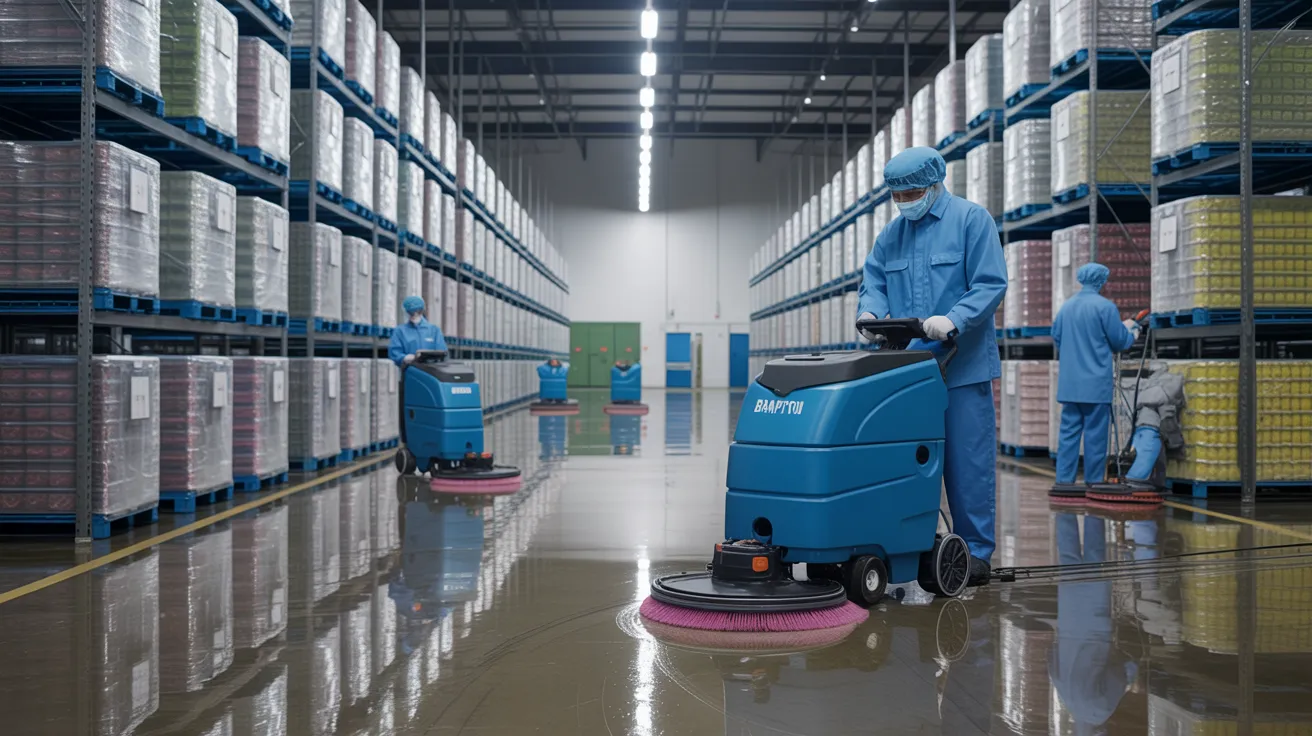
Essential Summary
- Brampton's food safety cleaning specialists support restaurants, grocery departments, commissaries, warehouses, bakeries, schools, mobile vendors, and allergen-sensitive operations.
- Frequently contacted areas, food-contact equipment, kitchens, floors, drains, restrooms, and storage areas are treated using compartmentalized approaches to reduce cross-contamination.
- Proper chemical concentration, compatibility, and contact time are validated by approved contractors, with finalization recorded via tests, assessments, and action records.
- Routine, regular, and annual tasks distributed by location constitute maintenance calendars founded on threat, throughput, changeovers, releases, and requirements.
- Focus on contractors displaying HACCP, public-health competency, WHMIS education, coverage, endorsements, color-coded tools, and inspection-ready cleaning documentation.
Brampton Establishments That Need Food Safety Cleaning: Which Ones?
Brampton establishments that process, store, prepare, package, or distribute food require hygiene cleaning. Implement it if your operation is covered by health department oversight, food standards, or HACCP systems. The rule covers dining establishments, employee cafes, food distributors, market sections, meat shops, fish counters, local shops, and commercial kitchens.
Proper sanitation protocols is furthermore required in supply facilities, manufacturing operations, cold storage areas, bakery retailers, educational nutrition programs, banquet halls, and food delivery hubs. Mobile and temporary operations matter too, examples including food trucks, event vendors, and temporary stalls. Your facility requires established hygiene procedures if your workers process ingredients, portion ready-to-eat items, reheat products, or store allergens. In Brampton, sanitation is not discretionary; it represents lawful, operational, and customer protection adherence.
Which Areas Do Brampton Cleaning Experts Cover?
Professional cleaning teams specializing in Brampton disinfect high-contact surfaces, kitchen facilities, ground surfaces, and sanitary facilities in compliance with food safety regulations. Focus on these locations stems from extreme cross-contamination risk, injury hazards, and possible regulatory violations.
If you grasp what they sanitize, you'll be able to confirm your facility meets all operational and regulatory compliance needs.
Prioritizing High-Touch Surface Sanitizing
Trained Brampton sanitization specialists appreciate that high-touch surfaces demand disinfection since these areas harbor microbes and organic residue. You must have a formal plan for sterilizing all high-touch items including handles, plates, switches, railings, control surfaces, POS systems, and refrigeration equipment. Using touchpoint mapping, specialists locate every commonly touched area and set cleaning timing
via replacing wipes, following one-way workflows, and dividing cleaning tools organized by location
Cooking Zones, Walking Surfaces, and Restroom Environments
Professional cleaners in Brampton prioritize kitchens, floors, and restrooms given that each location involves distinct food safety, falling hazards, and health code requirements. In industrial kitchens, you need grease removal from cooking stations, appliance surfaces, drain systems, preparation areas, and backsplashes to reduce bacterial growth and pest activity.
Floor care that is recorded should equally be anticipated. Technicians scrub and extract buildup from grout, tile, and vinyl flooring, then apply correct drying techniques so you can reduce slip incidents and meet regulatory standards. They also address entry points where dampness and dirt enter the building.
In restrooms, cleaners disinfect contact surfaces, bathroom hardware, partition walls, accessory dispensers, and receptacles then restock supplies and control odours. They also service restaurant moprooms, where chemical storage, sink hygiene, and drainage conditions can affect sanitation compliance and staff safety daily.
The Importance of Food Safety Cleaning in Brampton
Brampton facilities demand proper hygiene standards to fulfill compliance obligations and pass inspections. You also reduce cross-contamination by cleaning and sanitizing food-contact surfaces, equipment, and high-touch areas correctly. Most importantly, you safeguard community wellness by reducing the chance of food poisoning in your establishment.
Health Code Compliance
Because Brampton food operations operate under stringent health requirements, food safety cleaning directly influences your capability to fulfill health code requirements, safeguard customers, and sidestep enforcement action. You must maintain sanitized food contact points, written maintenance records, appropriate product handling, and verifiable staff procedures that comply with municipal and provincial inspection expectations.
Diligent hygiene practices enables allergen management by decreasing contaminants on mutual appliances plus commonly contacted zones. If your cleaning standards slip, you face notices, corrective directives, loss of reputation, and potential service suspension during follow-up inspections or regulatory actions.
Cross-Contamination Prevention
Maintaining health code standards copyrights on your capacity to prevent cross-contamination during everyday food preparation and sanitation. You must separate raw ingredients from ready-to-eat foods, sanitize prep surfaces between tasks, and store chemicals away from food-contact items. Clear procedures reduce transfer risks and reinforce steady regulatory adherence.
Building allergen isolation prevents key allergens from reaching common workstations, storage, or apparatus. Utilize dedicated cutting boards, color-coded tools, and strict utensil labeling so staff don't mix items in cooking or serving.Mandate hand cleaning following uncooked meats, shellfish, egg items, or allergen substances. Refresh cleaning cloths frequently, and confirm sanitizer strength with test strips. When you train staff to follow these controls each shift, you foster a cleaner, more secure operation that meets Brampton's food safety expectations daily.
Public Health Safeguarding
When sanitation efforts weaken, you don't only risk a failed inspection—you raise the likelihood of food contamination striking customers, staff, and the larger Brampton community. You also weaken your role in protecting public health, especially in busy food facilities where contamination can spread quickly through surfaces, equipment, and touchpoints.
You require cleaning protocols that eliminate soils, disinfect appropriately, and confirm results. This requires following exposure durations, using authorized sanitizers, logging schedules, and coaching employees to meet health-unit expectations. These measures prevent illness spread by decreasing microbial counts before reaching surfaces or food. Throughout Brampton, strong cleaning protects vulnerable communities, reduces outbreak risk, and proves accountability. When you follow proper protocols, you go beyond requirements—you mitigate risk and enable safer food service region-wide.
In What Ways Does Cleaning Help Achieve Food Safety Compliance?
Adopting comprehensive cleaning schedules solidifies food safety compliance by reducing contamination risks, controlling pathogen growth, and positioning your facility in accordance with sanitation requirements under HACCP-based programs and public health regulations. You confirm that food-contact surfaces remain visibly clean and microbiologically controlled, enabling documented preventive controls and inspection readiness.
Conscientious cleaning additionally solidifies allergen mitigation by extracting residues that can provoke undeclared allergen exposure. When you integrate established sanitation practices with regulatory training, your staff can implement uniform procedures, handle approved chemicals properly, complete records accurately, and handle deviations prior to problems worsen. Ongoing cleaning supports traceability, validates remedial measures, and proves commitment throughout audits. Furthermore, it aids you preserve quality assurance, sustain operational compliance, and reduce the chances of enforcement actions, market recalls, grievances, and unnecessary public health risks.
What's the Ideal Time to Plan Commercial Cleaning?
maintenance activities.
Establish weekly or every month maintenance for drains, vents, storage racks, and hard-to-reach equipment zones, based on inspection findings and sanitation records. Dedicate seasonal deep cleaning to cover shutdowns, weather-related soil buildup, or pest-pressure periods
Finding Quality Brampton Cleaning Experts: A Guide
Screen providers initially by their food hygiene standards—not budget alone. You need to confirm that every supplementary information company meets CFIA, public health, and HACCP standards for your operation. Demand proof of insurance, WHMIS compliance, training records, and management systems. Evaluate technician understanding of cross-contamination risks, chemical safety, and documented sanitation practices.
Additionally, you need to evaluate service dependability and responsibility. Obtain references from Brampton food operations, then review response times, corrective measures, and communication practices. Verify the company supports supplier audits and can deliver inspection-ready documentation when inspectors or external parties need proof. Verify equipment is maintained, color-coded equipment are applied correctly, and site-specific hazards are identified. A capable service ensures compliance, product integrity, and your brand reputation.
What's covered in a Food Safety Cleaning Plan?
Develop a written plan that clarifies every sanitation task, standard, and responsibility before production begins. You should outline cleaning schedules, authorized chemicals, concentration levels, contact duration, implements, and validation techniques for each zone, surface, and piece of equipment. Include pre-operational inspections, corrective actions, and employee training requirements.
Your plan should also include cross-contamination prevention, waste disposal, pest management measures, and scheduled documentation for restrooms, drains, floors, and food-contact areas. Specify how you'll distinguish raw from ready-to-eat operations, help with ingredient tracking, and maintain accurate allergen labeling through validated cleaning between product changes. You should establish accountability, maintain signed records, and check results against regulatory standards, HACCP controls, and customer requirements. When gaps appear, revise procedures immediately and re-educate staff.
Commonly Requested Inquiries
Are sanitation providers available for nighttime operations in Brampton properties?
Yes, you can book cleaning services to support nighttime operations in Brampton facilities. You'll coordinate nighttime cleaning around production schedules, security measures, and personnel needs. Providers typically establish overnight logistics to minimize interruption, maintain standards, and document completed tasks. You should confirm arrival timeframes, management, access protocols, and disposal methods before beginning service. If you operate regulated spaces, you'll also want cleaning records that enable audits and internal quality assurance.
Can sanitation professionals manage emergency spill response?
Yes, you can find many Brampton sanitation experts offering spill containment options. They manage hazardous materials, assess dangers, contain affected areas, and perform swift decontamination to minimize risk and prevent disruption. You should verify response times, certifications, safety measures, and procedures. If your facility needs compliance, choose a service that logs events, follows procedures, and ensures verification.
Will plant-based disinfectants disinfect safely surfaces contacting food?
Yes, plant-based sanitizers can be secure for surfaces contacting food if you opt for products labeled food safe and regulatory compliant. You should check contact times, concentration levels, and rinse protocols before use. Many botanical formulations minimize harsh chemical exposure, but you should gather confirmation of performance against specific pathogens. To maintain residue free surfaces, you should follow exact manufacturer guidelines and validate the cleaning agent complies with food sanitation requirements.
Can cleaning plans adjust with seasonal shifts?
Yes, you can tailor cleaning plans for seasonal production changes. You should modify timing, staff levels, sanitizers, and verification steps to align with operational cycles while sustaining regulatory adherence. You'll minimize operational delays by organizing sanitization around line changes, peak seasons, and usage cycles. You should further modify SSOPs, training, and environmental monitoring to address transient threats, new allergens, or elevated soil levels. Ongoing evaluations keep your schedule functional.
Are commercial cleaners providing staff training on hygiene protocols?
Certainly, professional cleaning experts coach your staff on hygiene protocols. You obtain employee development on correct chemical practices, contact times, cross-contamination prevention, machine disassembly, and documentation procedures. They generally coordinate coaching with HACCP, GMP, and CFIA or local public health requirements. Many execute sanitation audits to verify compliance, identify gaps, and reinforce corrective actions. This helps you copyright standard processes, satisfy audits, and reduce food safety risks daily.
Summary
By partnering with Brampton food safety and commercial cleaning experts, you aren't just organizing—you keep your operation compliance-focused and your practices up to code. From kitchens to processing floors, every sanitized surface and maintained corner decreases contamination and prevents costly issues. By arranging service at appropriate intervals and following a documented cleaning plan, you protect staff members, clients, and your standing. In a strictly regulated industry, clean spaces are mandatory—they're essential to successful operations.